
Common side effects of an iron infusion
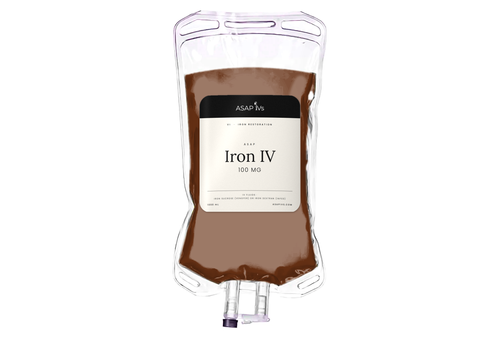
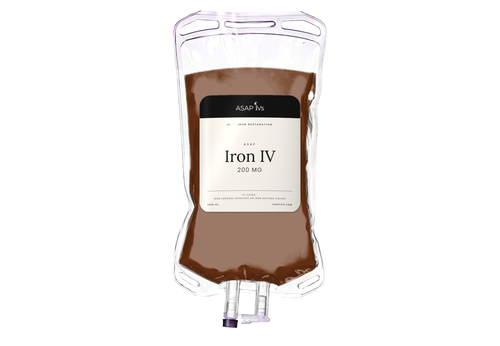
Most of our iron infusions use iron sucrose (generic or Venofer), given as 100 mg or 200 mg doses.
The best numbers come from the clinical trials in the FDA prescribing information for Venofer. In adults with chronic kidney disease who were not on dialysis and received 200 mg doses, these side effects were reported:
- A change in taste, often described as metallic: 7.9%
- Nausea: 8.6% (12.2% in the comparison group taking iron pills)
- Mild swelling in the hands, feet or legs: 7.2%
- Dizziness: 6.5%
- A rise in blood pressure: 6.5%
- Pain or burning at the infusion site: 5.8%
- Shortness of breath: 5.8%
- Vomiting: 5.0% (8.6% with iron pills)
- Pain in the arms or legs: 4.3%
- Muscle aches: 3.6%
- Headache: 2.9%
- A short drop in blood pressure: 2.2%
- Itching: 2.2%
These figures count everything people reported during the trials, whether or not the iron caused it. In the same trials, 76.3% of people given iron sucrose and 73.4% of people given iron pills reported at least one side effect of any kind.
Some people notice joint or muscle aches, or darker urine, the day after an infusion.
Tell your nurse or our team if any side effect is severe or doesn't go away.
Does an iron infusion cause constipation?
It can, but it is not common. Constipation is not among the side effects the FDA label lists from its clinical trials of iron sucrose, though the MedlinePlus patient guide does include it in its list of possible side effects.
Iron pills are a different story. Constipation is one of the best-known side effects of oral iron: across 27 trials of iron sulfate tablets, about 12% of people reported it.
When researchers compared iron sulfate pills with IV iron directly, people taking the pills were about three times as likely to have stomach or bowel side effects.
For many people, trouble with iron pills, constipation included, is the reason they come to us for IV iron.
Iron pills vs. IV iron: why constipation is different
Iron pills are taken by mouth and absorbed through the gut, and stomach and bowel problems (constipation, stomach pain, nausea, diarrhea and dark stools) are the side effects most often reported with them.
IV iron goes straight into a vein, so it largely bypasses the gut.
If you are taking iron pills, ask our team whether to keep taking them: IV iron sucrose can reduce how much oral iron your body absorbs at the same time.
If constipation starts after an infusion, it may have another cause, such as other medicines, less fluid or less activity. Mention it to our team, and see your own doctor if it lasts or comes with severe belly pain.
Infusion reactions and allergic reactions
The most common reaction to IV iron is a brief, non-allergic infusion reaction (sometimes called a Fishbane reaction). It can cause facial flushing, chest tightness, back pain or a small dip in blood pressure, and usually settles on its own within about 15 minutes.
A true allergic reaction is rare but can be serious. Signs include rash or hives, itching, swelling of the face or throat, trouble breathing, dizziness, or feeling faint.
Iron sucrose has one of the lowest rates of severe allergic reactions (anaphylaxis) of any IV iron. In a large FDA study of Medicare patients, the estimated risk over a full 1,000 mg course was about 21 per 100,000 people.
The American Society of Hematology describes severe allergic reactions to IV iron as very rare, at fewer than 1 in 10,000 patients.
Most reactions happen within 30 minutes of the end of the infusion. This is why the FDA label calls for watching every patient during the infusion and for at least 30 minutes afterward, with treatment for a serious reaction immediately available.
Our nurse stays with you for the whole infusion. In our clinics, we then watch you for 30 minutes afterward.
If you have ever reacted to an iron infusion, or have other serious drug allergies, tell us before your visit.
For some patients we use iron dextran (INFeD) instead. Allergic reactions are more common with iron dextran, so it starts with a small test dose and a 1-hour waiting period at your first infusion, and our medical team will go over it with you if it is recommended.
Low blood pressure, dizziness and feeling lightheaded
Iron sucrose can lower blood pressure. In the trials, a drop in blood pressure was reported in 2.2% of people, and dizziness in 6.5%.
The label notes that low blood pressure may be linked to how fast the iron is given and how much is given at once. Your nurse checks how you are feeling and can slow or stop the infusion.
Eating and drinking normally before your visit can help prevent nausea or discomfort during the infusion.
Skin staining at the IV site
If iron leaks out of the vein into the skin around the IV, it can discolor the skin at the site. The label lists this as a reported effect after the iron leaks outside the vein.
This is one reason we take care to place a secure IV line before starting. In the trials, leakage at the injection site was reported in 2.2% of people.
Tell your nurse straight away if the IV site burns, stings or swells during the infusion.
What to expect during and after your infusion
Before
- Our medical team reviews your recent lab results before treatment.
- Eat and drink normally; there is no need to fast.
- Take your usual medicines as scheduled, and tell us about any past reactions to medicines or iron infusions.
- Tell us about any medical conditions, and whether you are pregnant, may be pregnant, or are breast-feeding.
During
- A nurse is with you for the whole infusion. Plan on about 30–60 minutes for the visit.
- Your nurse watches for any reaction and can slow or stop the infusion if needed.
After
- There is minimal downtime. The bandage can come off after 30 minutes.
- Mild joint or muscle aches, or darker urine the next day, can happen.
- Iron blood tests taken within 48 hours of an infusion are not reliable, so follow-up labs are scheduled later.
- Follow-up labs with your own doctor or a self-ordered lab test show how your iron levels respond.
When to call 911
An iron infusion is a planned medical treatment, not emergency care. If you have trouble breathing, swelling of your face, lips, tongue or throat, chest pain, fainting or a seizure during or after your visit, call 911.
For milder symptoms after you get home, such as a rash, ongoing dizziness or a headache that won't settle, call or text our team.
Who should not get an iron infusion
Iron sucrose should not be given to anyone who has had an allergic reaction to it.
IV iron is also not given when the body already has too much iron (iron overload). This is one reason we review your labs before treatment.
A past reaction to any IV iron product, serious drug allergies and other medical conditions don't always rule out treatment, but our medical team needs to know about them first.
Whether IV iron is right for you is an individual decision made by our medical team after reviewing your health history and labs.
You don't need a referral from an outside doctor. Our own physicians review your labs and decide whether IV iron is right for you.
Pregnancy and breast-feeding
Studies of iron sucrose given after the first trimester have not shown harm to mother or baby, but there is not enough information about use in the first trimester. A severe reaction in a pregnant woman can affect the baby's heart rate. If you are pregnant or could be, tell us; our medical team will decide with you whether IV iron is appropriate.
Iron sucrose is present in breast milk, and published reports have not shown harm to breastfed infants. If you are breast-feeding, let us know.
Frequently asked questions
What are the most common side effects of an iron infusion?
With iron sucrose (Venofer), the most often reported are a change in taste, nausea, dizziness, mild swelling in the hands or feet, and pain or burning at the IV site. Most are mild and short-lived.
Does an iron infusion cause constipation?
It can, but it is not common. Constipation is not among the side effects the FDA label lists from its clinical trials of iron sucrose. Iron pills are much more likely to cause constipation and other stomach or bowel side effects.
Is IV iron easier on the stomach than iron pills?
Usually, yes. In a review of trials comparing them directly, people taking iron sulfate pills were about three times as likely to have stomach or bowel side effects as people given IV iron.
How long do iron infusion side effects last?
Most last a short time. The most common infusion reaction usually settles on its own within about 15 minutes, and most reactions happen within 30 minutes of the end of the infusion. Mild aches or darker urine can show up the next day.
How common is an allergic reaction to an iron infusion?
Severe allergic reactions are rare. The American Society of Hematology puts them at fewer than 1 in 10,000 patients, and iron sucrose has one of the lowest rates of any IV iron.
Can an iron infusion stain my skin?
It can, though it isn't common. If iron leaks out of the vein into the skin around the IV, it can discolor the skin there. Tell your nurse straight away if the IV site burns, stings or swells.
When should I call 911 after an iron infusion?
Call 911 if you have trouble breathing, swelling of your face, lips, tongue or throat, chest pain, fainting or a seizure during or after your visit.
Sources
This guide is based on:
- FDA prescribing information for Venofer (iron sucrose) injection, revised February 2026.
- MedlinePlus: Iron Sucrose Injection (U.S. National Library of Medicine), revised January 2026.
- American Society of Hematology: Iron-Deficiency Anemia (patient information).
- NIH Office of Dietary Supplements: Iron fact sheet for consumers.
- Tolkien Z, et al. PLoS ONE 2015;10(2):e0117383 (iron sulfate pills and stomach and bowel side effects).
- Wang C, et al. JAMA 2015;314(19):2062–2068 (allergic reaction risk with IV iron products).
This article is general information, not medical advice for your situation. Request an iron consult to talk with our team.
Iron infusion near you